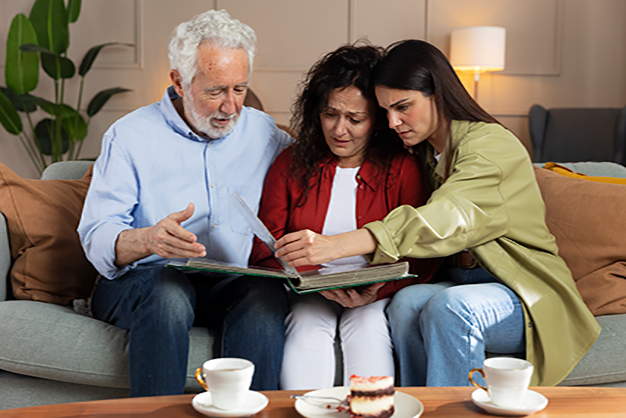
According to the World Health Organization (WHO), by 2030, one in six people worldwide will be aged 60 years or older, and the global population aged 60 years and above will reach 2.1 billion by 2050. As life expectancy continues to increase, so does the need for specialised healthcare that supports healthy ageing, independence, and quality of life.
Growing older is a natural part of life, but ageing often brings physical, emotional, and medical challenges. While many older adults continue to lead active lives, others may gradually require additional support with daily activities, chronic disease management, mobility, or personal care. Recognising these changes early can make a significant difference in maintaining health and independence.
Professional geriatric care for elderly individuals focuses on meeting these unique needs through personalised medical care, rehabilitation, and assistance with everyday living. Today, geriatric care at home allows seniors to receive compassionate, professional support without leaving the comfort of their own homes.
Geriatric care is specialised healthcare designed to address the physical, mental, emotional, and social needs of older adults. Unlike general healthcare, it focuses on age-related conditions, helping seniors maintain independence while improving their overall quality of life.
Comprehensive geriatric care services may include:
The goal is not only to treat illness but also to help older adults remain safe, comfortable, and as independent as possible.
Many families wait until a medical emergency occurs before seeking professional support. However, early intervention often helps prevent complications, reduces hospital admissions, and improves long-term health outcomes.
With timely geriatric home care, older adults can receive regular monitoring, early identification of health issues, and personalized care plans that promote healthy ageing while reducing stress on family caregivers.
Occasional slips can happen at any age, but repeated falls or noticeable balance problems should never be ignored.
Frequent falls may result from:
Professional assessment and geriatric care at home can help identify the underlying cause while reducing the risk of future injuries.
If your loved one struggles with routine tasks such as bathing, dressing, cooking, or maintaining personal hygiene, additional support may be needed.
Early assistance helps preserve dignity while allowing seniors to remain independent for longer.
Occasional forgetfulness is common with ageing, but persistent memory problems deserve attention.
Loss of appetite, difficulty chewing, swallowing problems, or forgetting to eat can result in malnutrition and weakness.
Professional caregivers can monitor nutritional intake and ensure seniors receive balanced meals that support their overall health.
Many older adults live with more than one chronic illness, such as:
Managing several medical conditions often requires coordinated geriatric care services, regular health monitoring, and medication supervision to reduce complications.
Repeated hospital admissions or emergency visits may indicate that your loved one’s health requires closer monitoring. Chronic illnesses such as heart disease, diabetes, COPD, or kidney disease often need continuous care to prevent complications.
With geriatric care at home, regular health assessments, medication management, and timely medical intervention can reduce unnecessary hospital visits while improving overall well-being.
Older adults are often prescribed multiple medications for different health conditions. Forgetting doses, taking incorrect medicines, or skipping medications can lead to serious health risks.
Professional geriatric care services help by:
Proper medication management improves treatment outcomes and reduces preventable complications.
Ageing can sometimes lead to loneliness, anxiety, or depression, especially after the loss of a spouse, retirement, or reduced mobility.
Signs to watch for include:
A holistic geriatric care for elderly approach addresses not only physical health but also emotional and mental well-being, helping seniors stay socially connected and emotionally supported.
If your loved one struggles to walk, climb stairs, or move around safely, professional assistance may be needed.
Reduced mobility can result from:
Geriatric home care supports mobility through physiotherapy, mobility assistance, fall prevention strategies, and personalised exercise programs that encourage safe movement and greater independence.
Family members often become primary caregivers while balancing work, personal responsibilities, and emotional stress. Over time, caregiving can become physically and mentally exhausting.
Signs of caregiver burnout include:
Professional geriatric care services provide valuable support, allowing families to focus on spending meaningful time with their loved ones while trained healthcare professionals manage daily care needs.
Receiving care in familiar surroundings offers significant advantages for older adults.
Some of the key benefits include:
For many seniors, geriatric home care allows them to maintain their daily routines while receiving high-quality medical and nursing support.
A geriatric specialist is a healthcare professional trained to manage the unique medical needs of older adults. Rather than focusing on a single illness, they evaluate the patient’s overall health, functional ability, medications, nutrition, mobility, and mental well-being.
A geriatric specialist may help with:
This comprehensive approach helps seniors achieve better health outcomes while preserving their independence.
At Inhouse Medicare, we understand that every senior has unique healthcare needs. Our compassionate team provides personalized geriatric care services that focus on promoting independence, safety, and a better quality of life in the comfort of home.
Our geriatric care at home services include:
Whether your loved one requires short-term recovery assistance or long-term geriatric home care, our experienced healthcare professionals are committed to delivering reliable and compassionate care tailored to their individual needs.
Ageing is a journey that often brings changing healthcare needs. Recognising the early signs elderly need geriatric care allows families to provide timely support before small concerns become major health challenges.
From managing chronic illnesses and preventing falls to assisting with daily activities and offering emotional support, professional geriatric care for elderly individuals helps them live with greater comfort, dignity, and independence.
If your loved one is showing any of these warning signs, consider seeking professional geriatric care at home. At Inhouse Medicare, we are committed to helping seniors age safely and comfortably while giving families the confidence and support they need.